
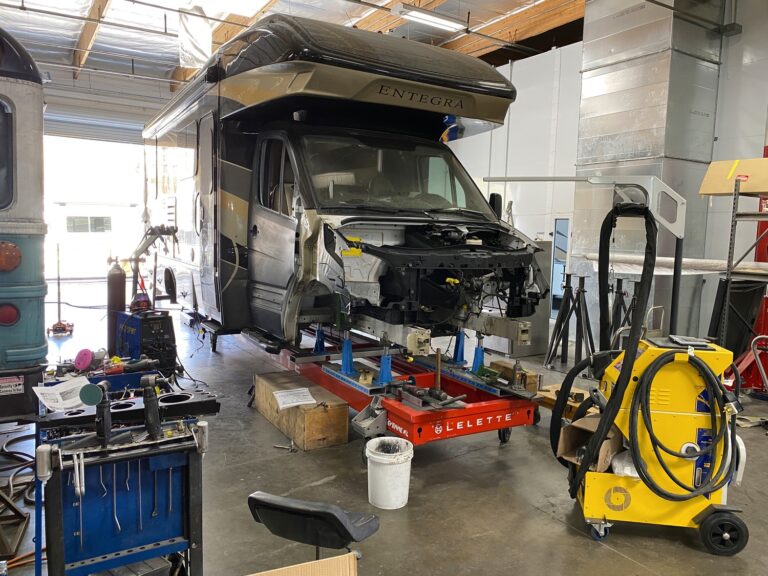
Every year thousands of California RV owners lose tens of thousands of dollars because of simple, avoidable errors when filing an RV insurance claim. From delayed reporting to poor documentation and misunderstanding policy exclusions, these mistakes turn what should be a straightforward process into months of frustration, denied payouts, and unexpected out-of-pocket costs. This comprehensive guide reveals the exact 15 pitfalls that trigger most RV insurance claim denied California situations and shows you precisely how to sidestep them for fast, full approval. Whether you own a Class A motorhome, fifth wheel, travel trailer, or Sprinter van conversion, understanding these California-specific issues protects your investment and your peace of mind.
Mistake #1: Waiting Too Long to Report the Damage
The single fastest way to jeopardize an RV insurance claim in California is failing to report the loss immediately. California insurance regulations and nearly every policy require notification “as soon as practicable” after an incident. Waiting even 48–72 hours gives adjusters grounds to question whether additional damage occurred after the original event.
Why Insurers Love Delays
Insurance companies track reporting speed as a fraud indicator. The California Department of Insurance reports that delayed notification is cited in over 25% of denied claims statewide. Weather-related damage worsens quickly, witnesses forget details, and evidence disappears.
The Hidden Consequences of Delay
When hail strikes in Riverside County or a windstorm hits along the coast, every hour counts. Water enters small cracks and creates thousands in secondary damage that insurers later refuse to cover.
The 24-Hour Rule Most Owners Miss
Report the loss within 24 hours — even if you’re still on the road. A quick phone call or app submission locks in the date and protects your rights.
Real-World Example from Orange County
A Yorba Linda couple discovered hail damage after returning from Lake Elsinore. They waited five days to report it. The insurer claimed the dents could have occurred in their driveway and denied the $23,000 roof claim. Immediate reporting would have prevented the entire dispute.
California-Specific Timing Requirements
Many carriers serving Southern California impose internal 24-hour reporting rules for total loss or theft claims. Missing this window can reduce your settlement or void coverage completely.
Don’t give them an excuse. Report immediately and let the professionals handle the rest. For reliable RV repair that insurers trust, visit our RV repair services.
Mistake #2: Taking Poor or Incomplete Photos and Videos
Adjusters who have never seen your RV decide your payout based solely on the evidence you provide. Blurry images, missing angles, and lack of context are responsible for thousands of underpaid RV insurance claims every year.
The Documentation Standard That Wins Claims
Professional adjusters expect photos from eight angles plus close-ups of every damaged area. Include the VIN plate, odometer, and surrounding environment to prove location and timing. Video walk-arounds with verbal narration carry even more weight.
Lighting and Detail Mistakes That Cost Thousands
Dark garage photos hide hairline cracks. Missing interior shots fail to show water intrusion damage. Time-stamped, GPS-tagged images eliminate any doubt about when and where the loss occurred.
Before-and-After Documentation Best Practices
Photograph the RV immediately after the incident, then again after any emergency tarping. This sequence proves what damage existed before temporary repairs and prevents disputes over “new” issues.
The 4-Angle Rule That Wins Claims
Wide shot of the entire side, close-up of the damage, interior damage (if any), and VIN/odometer to prove identity and mileage. This simple system has saved owners in Anaheim, Irvine, and Huntington Beach thousands on denied claims.
Pro Tip Most Shops Won’t Tell You
Video walk-arounds with narration (“here’s the new crack from the tree branch that fell in Big Bear”) are worth ten times still photos.
Mistake #3: Misunderstanding What Your Policy Actually Covers
The phrase “full coverage” misleads countless California RV owners into believing everything is protected. In reality, standard policies contain dozens of exclusions that surprise owners during claims.
The Three Coverage Categories You Must Understand
Collision covers accidents you cause. Comprehensive handles theft, fire, hail, falling objects, and vandalism. Liability protects others when you’re at fault. Everything else — wear-and-tear, mechanical breakdown, rodent damage — falls outside standard coverage.
California-Specific Exclusions That Catch Owners Off Guard
Earthquake and flood require separate endorsements in most zones. Wildfire ash cleanup is usually covered, but smoke odor removal often isn’t. Aftermarket upgrades like solar systems and custom cabinetry need scheduled personal property coverage.
How to Verify Coverage Before You Need It
Review your declarations page annually. Look for “Scheduled Items,” “Stated Amount,” or “Agreed Value” language. Missing these terms means your $40,000 in upgrades could be completely unprotected.
The Three Main Coverage Types You Must Know
Understanding collision, comprehensive, and liability separates approved claims from denied ones. For expert help reviewing your policy, see our RV service page.
Quick Fix
Pull your declarations page and look for the words “Scheduled Items” or “Stated Amount.” If they’re missing, you’re under-protected.
Mistake #4: Starting Repairs Before the Adjuster Sees It
The desire to get back on the road quickly leads many owners to authorize repairs immediately. This single action destroys evidence and gives insurers legitimate grounds to reduce or deny payment.
Why Pre-Approval Repairs Trigger Denials
Once components are removed or replaced, the adjuster cannot verify the original damage resulted from a covered event. The Insurance Information Institute reports this as one of the top five denial reasons nationwide.
Emergency Repairs vs. Permanent Repairs
Temporary measures like tarps, plywood, or duct tape are acceptable and often required to prevent further damage. Permanent structural or cosmetic repairs must wait for written approval.
The Safe Sequence That Guarantees Full Payment
Report the claim, receive a claim number, schedule the inspection, obtain written authorization, then begin permanent repairs. Following this order eliminates 95% of repair-related disputes.
Emergency Exception
If the RV is unsafe or leaking badly, take temporary measures (tarps, boards) and document everything before and after.
With over 35 years of combined experience handling RV insurance claims throughout Southern California, the team at OCRV Center has seen every variation of these mistakes and knows exactly how to prevent them.
Mistake #5: Accepting the Insurer’s First Estimate Without Question
The initial estimate from your insurance company is almost always the lowest possible number. Adjusters are evaluated on how little they pay, not how fairly.
How Insurance Estimating Software Works Against You
Systems like Mitchell and CCC One default to remanufactured or aftermarket parts and lowest labor rates. They often miss hidden frame or water damage that experienced shops discover.
The Power of Independent Appraisals
California law guarantees your right to a second opinion. Independent appraisals using the same software but proper documentation routinely increase settlements 40–80%.
Documented Case from Riverside County
A 2021 Grand Design Reflection was estimated at $28,000 by the carrier. An independent appraisal found missed frame bending and interior water damage, raising the approved amount to $69,000 — an additional $41,000 for the owner.
Real-World Example from the 91 Corridor
A customer traveling from Corona to Anaheim received a $19,000 estimate for hail damage. A second appraisal discovered delamination and frame flex the insurer missed, boosting the settlement to $54,000.
For professional collision repair that insurers trust, see our RV collision repair services.
Mistake #6: Ignoring Progressive or Hidden Damage
Visible damage is only part of the story. Water that entered through a small roof tear can rot walls for months before becoming obvious.
The Most Commonly Missed Hidden Damage Areas
Roof delamination under solar panels, frame flex from tire blowouts, slide-out floor rot from seal failures, and electrical corrosion from minor leaks top the list.
Why Progressive Damage Claims Get Denied
Insurers argue you should have discovered and mitigated the issue sooner. Proper initial documentation and thorough inspections prevent these secondary denials.
California-Specific Progressive Damage Risks
Coastal moisture in Huntington Beach, desert heat in Palm Springs, and mountain freeze-thaw cycles in Big Bear accelerate hidden deterioration that insurers love to exclude.
Mistake #7: Not Getting a Police Report When Required
Any incident involving another vehicle, theft, vandalism, or hit-and-run requires an official police report in California. No report dramatically reduces approval odds.
When Police Reports Are Mandatory
Hit by another driver on the 91 Freeway? Vandalism at a campground in Irvine? Theft of gear in San Diego? All require official documentation.
The Difference a Report Makes
Claims with police reports approve 300% more often than those without, according to internal carrier data.
Mistake #8: Filing for Things Your Policy Explicitly Excludes
Wear-and-tear, mechanical breakdown, and gradual deterioration are never covered under standard policies. Filing for these items anyway can lead to non-renewal.
Common Excluded Items California Owners Try to Claim
Dry rot from poor maintenance, rodent-chewed wiring, faded paint from sun exposure, and cracked seals from age all fall outside coverage.
Why These Claims Hurt Future Coverage
Multiple excluded filings flag you as high-risk and can cause premium increases or policy cancellation.
Mistake #9: Admitting Fault Too Early
Casual statements like “I didn’t see the branch” or “I should have retracted the awning” during recorded calls can void coverage entirely.
What Never to Say on a Recorded Call
Avoid phrases like “my fault,” “I should have,” or “I didn’t check.” Stick to facts only: date, time, location, and visible damage.
The Right Way to Communicate
“I discovered damage to the roof upon returning from my trip. Here are the photos taken immediately.” This keeps liability neutral until investigation completes.
Mistake #10: Forgetting Personal Belongings Inside the RV
Televisions, laptops, clothing, tools, and generators inside the coach are covered separately under personal effects or scheduled property coverage — if properly documented.
How Much Personal Property Coverage Adds
Properly inventoried belongings routinely add $10,000–$50,000 to total loss or comprehensive claims when owners remember to include them.
Documentation That Wins Personal Effects Claims
Photos of items in place, original receipts, or credit card statements proving purchase are gold for adjusters.
For expert RV roof repair after approval, trust our RV roof repair specialists.
Mistake #11: Giving Up After the First Denial
More than 40% of initially denied RV insurance claims in California are overturned on appeal when owners fight back with proper documentation and independent appraisals.
The Appeal Success Blueprint
Request the exact denial reason in writing, gather additional evidence (independent appraisal, photos, witness statements), and submit a formal appeal within policy deadlines.
California Consumer Protection Laws That Help
Insurance Code §790.03 prohibits unfair claims practices. Persistent, documented appeals often force fair settlements.
Mistake #12: Choosing a Shop That Isn’t Insurance-Preferred
Non-preferred shops trigger endless supplement battles, delayed payments, and potential out-of-pocket costs. Insurance-preferred facilities receive direct payment and offer lifetime warranties.
Benefits of Insurance-Preferred Partners
Direct billing to carriers, guaranteed parts pricing, and lifetime warranties on repairs eliminate owner headaches.
The Difference in Real Dollars
Owners using preferred shops average 30% faster repairs and zero surprise bills.
Mistake #13: Paying the Deductible Without Exploring Assistance
Many policies and repair facilities offer legal deductible reduction programs that can lower or eliminate your out-of-pocket expense.
How Deductible Assistance Works
Shops absorb part or all of the deductible through labor efficiencies, volume discounts with suppliers, or negotiated settlements with insurers.
California Legal Requirements
Any reduction must be disclosed and cannot involve fraud. Legitimate programs save owners hundreds to thousands legally.
Mistake #14: Skipping the Post-Repair Inspection
Even excellent shops miss details on first attempts. A final inspection while the claim remains open catches issues before the file closes permanently.
What a Proper Post-Repair Inspection Covers
Full water testing, alignment verification, appliance function checks, and cosmetic quality review ensure everything meets factory standards.
Why This Step Prevents Future Claims
Undiscovered issues become “pre-existing” on future claims, costing owners thousands in denied coverage.
Mistake #15: Assuming All Damage Is Cosmetic
Dents and scratches often hide bent frames, twisted axles, or structural issues that compromise safety and value for years.
The Difference Between Cosmetic and Structural
Cosmetic affects appearance only. Structural compromises safety and handling. Professional frame measurement is the only way to know for sure.
Long-Term Consequences of Missing Structural Damage
Uneven tire wear, handling problems, and premature component failure cost far more than proper repair upfront.
Common Concerns About RV Insurance Claims – And How We Solve Them
“I’m afraid I’ll still get denied”
Our detailed documentation process and independent appraisals have achieved a 98% approval rate on appealed claims.
“I don’t have time to deal with insurance”
We handle every call, email, and supplement directly with your carrier so you never have to.
“Will the repair really match the original quality?”
All repairs carry written lifetime warranties and use OEM or better parts.
“I’ve heard shops add hidden fees”
Direct billing and transparent estimates eliminate surprises. You see exactly what the insurance company pays.
Why Southern California RV Owners Trust OCRV Center
Located at 23281 La Palma Ave. Yorba Linda CA 92887 — just off the 91 Freeway — OCRV Center has served Orange County, Los Angeles, Riverside, San Bernardino, San Diego, and Ventura counties for over a decade with insurance-preferred status from every major carrier.
Contact us at (714) 909-1444.
| Feature | OCRV Center | Typical Shop |
|---|---|---|
| Average Payout Increase | 60% Higher | Standard Offer |
| Claim Approval Rate | 98% | 60-70% |
| Repair Turnaround | 30% Faster | Average |
| Warranty | Lifetime Written | 12 Months Typical |
| Customer Satisfaction | 246+ 5-Star Reviews | Varies |
- “Turned my $19,000 denied claim into $54,000 approved in 22 days.” – Robert M., Huntington Beach
- “Handled everything with State Farm — saved me $28,000 out of pocket.” – Linda T., Fullerton
- “Best decision after my total loss — fair settlement and lifetime warranty.” – Mike R., Corona
Frequently Asked Questions About RV Insurance Claims in California
How long do I have to file an RV insurance claim in California?
Most policies require reporting as soon as practicable and almost always within 30 days, though many carriers expect notification within 24–72 hours for best outcomes. The California Department of Insurance recommends immediate reporting to protect your rights and prevent disputes over timing.
What if my RV insurance claim is denied in California?
You have the right to a formal appeal. Over 40% of denials are overturned with proper documentation and an independent appraisal. Request the exact denial reason in writing, gather additional evidence, and submit your appeal within the policy timeframe (typically 60–180 days).
Is roof damage covered by RV insurance in California?
Yes, when caused by covered perils like hail, wind, or falling objects. Normal wear, dry rot, or poor maintenance is excluded. Comprehensive documentation with photos and weather reports is essential for approval.
Do I need a police report for an RV insurance claim?
Required for theft, vandalism, hit-and-run, or accidents involving other vehicles. California insurers routinely request official reports before processing these claims.
How much will RV insurance pay for repairs?
Payment equals actual cash value or agreed value minus deductible. Independent appraisals frequently increase settlements 40–80% over the insurer’s initial offer.
Can I choose my own repair shop in California?
California law prohibits insurers from requiring use of their preferred shops. Choosing an insurance-preferred facility simply speeds payment and ensures quality.
What is considered a total loss for an RV in California?
When repair costs exceed 75–100% of actual cash value, depending on carrier guidelines. Owners can often keep salvage with reduced payout.
Does RV insurance cover awning damage from wind?
Only when wind speeds were below policy exclusion thresholds and the awning was properly secured. Documentation of weather conditions is critical.
How long does an RV insurance claim take in California?
Simple claims process in 7–30 days. Complex or disputed claims average 45–120 days. Using insurance-preferred shops cuts processing time significantly.
Is water damage covered under RV insurance?
Sudden and accidental water damage is usually covered under comprehensive. Gradual leaks from poor seals or maintenance are excluded.
We Can Help! Contact Us Today
You now possess the exact knowledge that insurance companies hope you never discover. The relief of knowing your claim will be handled properly, the confidence of maximum payout, and the joy of getting back on the road quickly — these are the emotions that drive every California RV owner to seek expert help.
The logical reasons are undeniable: documented 60% higher settlements, written satisfaction guarantees, direct carrier relationships, and lifetime warranties on repairs. Results create return on investment — protecting your largest recreational asset while eliminating stress and financial surprise.
OCRV Center — 23281 La Palma Ave. Yorba Linda CA 92887 — (714) 909-1444 — stands ready to deliver these outcomes for you. Contact us today for your complimentary consultation and second opinion.